
10 Moments Teachers Proved Students Matter More Than Paperwork

Most educators say the reality of teaching is very different from what they first imagined. Planning lessons is the simplest part. The real challenge comes in quiet, unseen moments—after school ends or before it begins—when there is no applause, no audience, and yet decisions still define who you are. These are the moments where character matters more than rules.
Here are real classroom experiences shared by teachers who faced such situations. They did not act for praise or recognition, but their choices reveal the true meaning of teaching.
1. Quiet Second Chances
A kindergarten teacher once told a student she could not perform due to lack of practice. The rule was fair, but the situation wasn’t simple. Later, without informing anyone, the teacher arranged extra practice after school and helped the child participate successfully.
2. Failure That Inspired Growth
A former student returned years later, not as a learner but as a working adult. He shared that failing a class had pushed him to take life seriously. Sometimes failure becomes the turning point for success.
3. Silent Support Behind Complaints
A parent once formally complained about unfair treatment. What remained hidden was the teacher’s effort to support that same student privately during lunch breaks. The student eventually achieved his best academic result.
4. Creative Ways to Re-engage Students

A history teacher noticed a student losing interest and often sleeping in class. Instead of punishment, the teacher made lessons more engaging by adding unexpected facts. Over time, the student became active and curious.
5. Discipline with Compassion
A physical education teacher enforced strict rules about proper gear. After standing firm publicly, the teacher quietly arranged shoes for a student in need, ensuring dignity while maintaining discipline.
6. Encouraging Confidence Without Attention
In a school play, a teacher gave a minor role to a student. Later, the teacher added special lines tailored to her strengths, helping her shine without drawing attention to the adjustment.
7. Learning Through Reflection

After failing a student, a teacher revisited previous work and discovered a missed pattern. Admitting the mistake and apologizing required courage, but it strengthened trust.
8. Adapting Teaching to Real Needs
An adult learner attended classes regularly but never submitted written work. The teacher later learned she could not read and redesigned evaluation methods to support her progress.
9. Understanding Hidden Emotions
A teacher once found a negative note written by a student. Later, it was revealed that the message came from fear of losing the teacher next year, not dislike.
10. Going Beyond Formal Duties

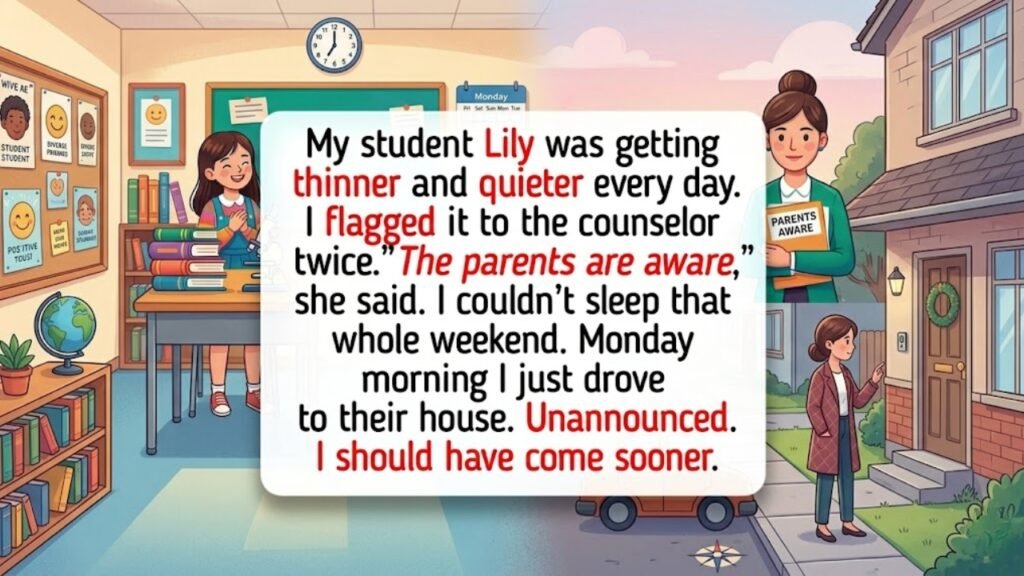
A teacher noticed a student struggling emotionally and received limited support from formal channels. Choosing care over procedure, the teacher personally reached out and stayed involved until improvement was visible.
These stories show that teaching is not just about instruction—it is about empathy, patience, and quiet actions that often go unseen but leave lasting impact.
