
New Driving License Rules for Seniors Start April 15 — What Drivers 70+ Need to Know

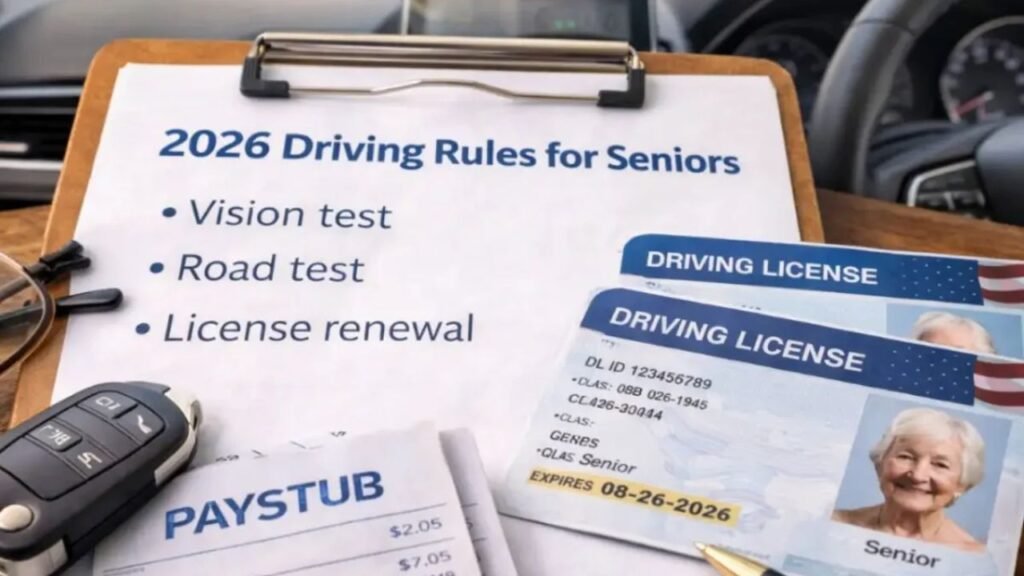
New Driving License Rules : New driving license rules for seniors are gaining attention across the United States, especially with claims that changes will start from April 15, 2026. Many drivers aged 70 and above are asking what exactly is changing, whether they are affected, and what steps they need to take.
This guide explains the real updates, how the rules work, and what senior drivers should expect in 2026. The goal of these changes is not to restrict driving but to improve road safety while allowing seniors to remain independent.
Key Highlights
- No single nationwide rule starting exactly April 15
- New age-based renewal policies already active in many states
- More frequent license renewals for drivers 70+
- Mandatory vision tests and possible medical checks
- Driving tests required in some cases
What Are the New Driving License Rules for Seniors?
There is no single federal law in the United States that applies to all drivers aged 70+. Instead, individual states are updating their rules for older drivers.
These changes focus on:
- Health and safety checks
- Shorter license validity periods
- Regular evaluation of driving ability
Do the Rules Really Start on April 15?
Many headlines mention April 15, but this date is not an official nationwide start date.
In reality:
- Rules have been gradually introduced since 2025
- Each state has its own timeline
- April 15 is not a universal deadline
Eligibility — Who Is Affected?
The updated rules generally apply to:
- Drivers aged 70 and above
- Renewing license holders
- Drivers flagged for medical or safety concerns
Main Rule Changes for Drivers 70+
1. More Frequent License Renewal
Instead of renewing every 8–10 years, senior drivers may now need to renew:
- Every 2–5 years
2. Mandatory Vision Test
Most states now require:
- Eye test during renewal
- Corrective lenses if needed
3. Medical Evaluation (If Required)
In certain cases, drivers may need:
- Doctor’s certification
- Health condition review
4. Driving Test for Older Age Groups
Depending on the state:
- 80+ drivers may need a road test
- 85+ may require regular driving assessments
5. License Restrictions
Some drivers may receive limited licenses such as:
- No night driving
- Restricted distance
- Mandatory corrective lenses
Important Dates and Timeline (2026)
| Category | Status |
|---|---|
| Nationwide Rule Start | Not applicable |
| April 15 Date | Not official |
| State-Level Changes | Ongoing since 2025 |
| 2026 Updates | Expansion and stricter enforcement |
Step-by-Step Process to Renew License (70+)
- Check your state DMV rules
- Book renewal appointment (online or offline)
- Prepare documents (ID, old license, medical records if needed)
- Complete vision test
- Take driving test (if required)
- Receive updated license
Benefits of the New Rules
- Improves road safety
- Ensures medically fit drivers
- Encourages regular health checks
- Maintains independence for capable seniors
Possible Drawbacks
- More frequent renewals
- Additional tests and documentation
- Stress for older drivers
- Possible driving restrictions
Practical Tips for Senior Drivers
- Schedule vision tests before renewal
- Stay physically active and alert
- Practice driving regularly
- Keep medical records updated
- Check DMV updates regularly
Common Mistakes to Avoid
- Ignoring renewal deadlines
- Not preparing for tests
- Relying on outdated information
- Skipping medical checkups
FAQs
1. Do new rules start on April 15, 2026?
No. There is no nationwide rule starting on this date.
2. Do all seniors need a driving test?
No. It depends on age and state laws.
3. Is the vision test mandatory?
Yes, in most states.
4. Can a license be restricted instead of canceled?
Yes. Restrictions are commonly applied.
5. How often do seniors renew licenses?
Usually every 2–5 years.
6. Are these rules the same in all states?
No. Each state has different requirements.
7. Can seniors still drive normally?
Yes, if they meet safety and health requirements.
Conclusion
The new driving license rules for seniors are designed to balance safety and independence. While the idea of stricter checks may seem challenging, these updates help ensure that roads remain safe for everyone.
There is no single April 15 deadline, but 2026 will continue to bring stricter enforcement across many states. Senior drivers should stay informed, prepare early, and follow their local DMV guidelines.
Staying proactive is the key to continuing safe and independent driving.
