
I Walked Away From My Dream Job — Here’s Why

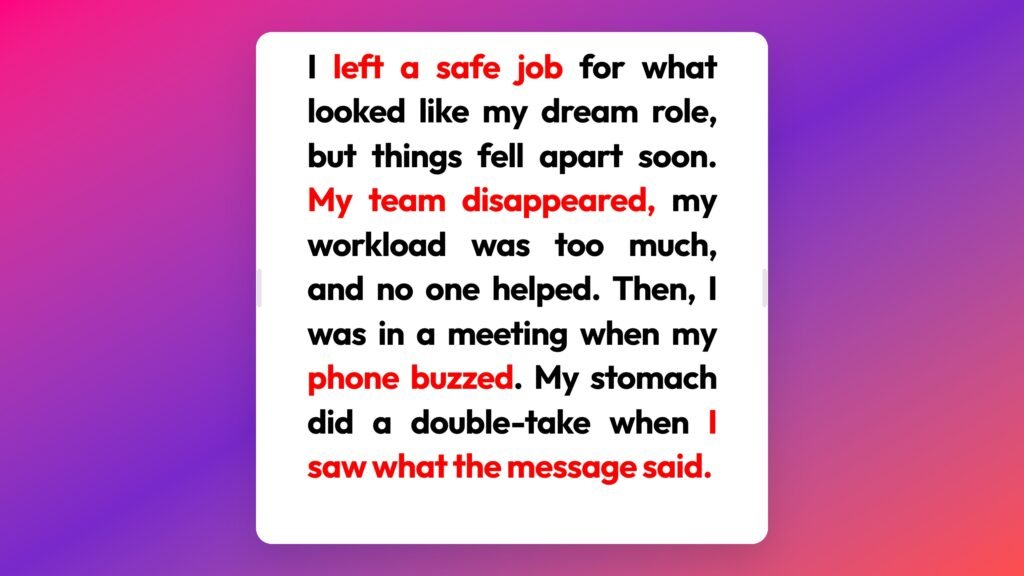
My Dream Job : For many people in India, landing a “dream job” is seen as the ultimate goal. A good salary, strong brand name, growth opportunities—everything looks right on paper. But what happens when that dream doesn’t feel right anymore?
This is a story about walking away from what looked like the perfect job—and why that decision, though difficult, changed everything.
Key Highlights
- A real-life inspired story about leaving a dream job
- Why “perfect on paper” doesn’t always mean right in reality
- Signs of burnout and misalignment
- Practical lessons for career decisions
- How to evaluate when to stay or leave
The Beginning: Everything Looked Right
When I got the offer, it felt like success. The company was well-known, the salary was higher than before, and the role matched what I had been aiming for. For anyone in India trying to grow their career, this was exactly the kind of opportunity people work for.
At the start, everything was exciting—new responsibilities, new environment, and high expectations.
What Started Changing
After a few months, the reality became clear. The job wasn’t what I had imagined.
- Work hours kept increasing
- Pressure was constant, with no real downtime
- Expectations were unclear but always high
- There was little control over decisions
Individually, these things seemed manageable. Together, they created a constant state of stress.
The Signs I Ignored
Looking back, the signs were obvious:
- Feeling exhausted even after rest
- Lack of motivation despite good pay
- Constant thinking about work, even outside office hours
- No sense of progress or satisfaction
But I ignored them. Because leaving didn’t make sense logically.
The Turning Point
One day, after a long week, I realized something important: I was working in a job I had once wanted—but I no longer wanted it.
The idea of staying felt heavier than the fear of leaving.
The Decision: Walking Away
I made the decision to leave without having everything fully planned. It wasn’t impulsive—it was necessary.
There was uncertainty:
- What if I don’t find something better?
- What about financial stability?
- Will this look like a mistake?
But staying felt like a bigger risk.
What Changed After Leaving
1. Mental Clarity Improved
Without constant pressure, I could think clearly again.
2. Energy Returned
Basic things like sleep and focus improved significantly.
3. Better Decision-Making
I started evaluating opportunities based on fit, not just salary or brand.
4. Redefined “Success”
Success became less about external validation and more about internal balance.
Why This Happens (Especially in Indian Career Culture)
| Factor | Expectation | Reality |
|---|---|---|
| High salary | Satisfaction | Pressure increases |
| Big company | Stability | Less control |
| Career growth | Clear path | Uncertain expectations |
| Status | Happiness | Temporary validation |
Step-by-Step: How to Evaluate If You Should Leave
- Assess your daily stress and energy levels
- Identify if issues are temporary or consistent
- Check if growth is happening or just workload increasing
- Evaluate impact on health and personal life
- Plan basic financial backup
- Explore alternatives before making the final decision
Eligibility / Rules / Benefits of Leaving a Job
- No fixed eligibility—depends on personal situation
- Requires financial planning
- Improves mental and emotional health
- Allows better career alignment
- Reduces long-term burnout risk
Pros and Cons of Leaving a “Dream Job”
Pros
- Improved mental health
- Better work-life balance
- Opportunity to realign goals
- Increased self-awareness
Cons
- Financial uncertainty
- Career gap concerns
- Social pressure and judgment
Common Mistakes People Make
- Staying too long due to fear
- Ignoring early signs of burnout
- Focusing only on salary and brand
- Not planning financially before leaving
Practical Tips for Indian Professionals
- Don’t define success only by job title
- Track your energy, not just income
- Build savings before making big decisions
- Talk to people outside your workplace for perspective
- Prioritize long-term sustainability
FAQs
Is leaving a dream job a bad decision?
Not if the job is affecting your health or long-term growth.
How do I know if it’s burnout or just stress?
Burnout is consistent and affects motivation, energy, and mental clarity.
Should I have another job before leaving?
It is safer, but not always necessary if you have financial backup.
Will this affect my career negatively?
Short-term impact is possible, but long-term alignment matters more.
What is the biggest takeaway?
A job can look perfect on paper but still be wrong for you.
Conclusion
Walking away from a dream job is not about failure. It’s about recognizing when something no longer fits—and having the clarity to act on it.
In India and across the world, many professionals face this situation but hesitate to take action. The truth is simple: no job is worth losing your health, clarity, or long-term direction.
Sometimes, the most important career decision is not choosing the right job—but choosing to leave the wrong one.
