
I Was Fired After Taking Time Off for a Family Emergency

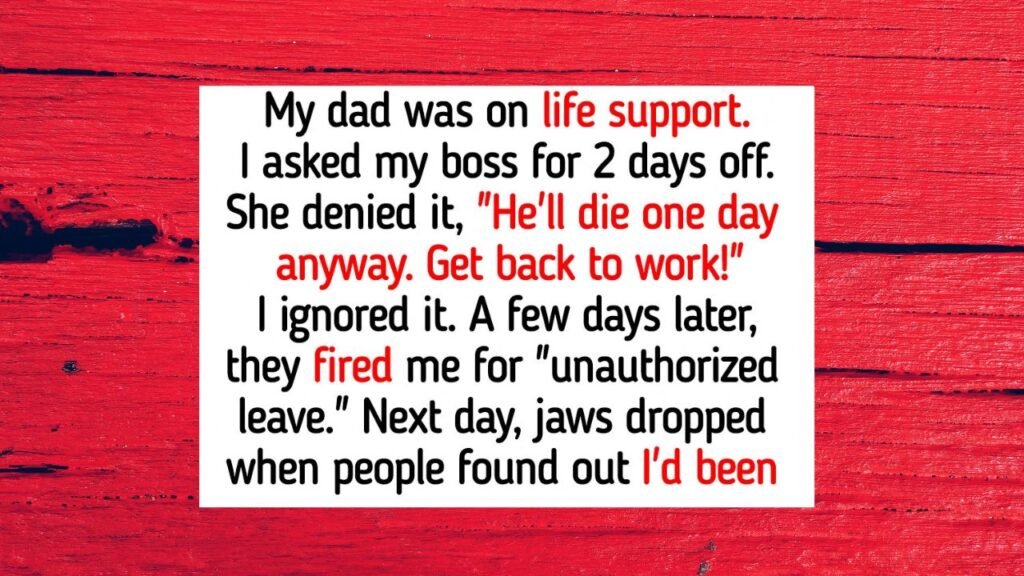
Family Emergency : Losing a job is difficult. But being fired after taking time off for a family emergency feels unfair, stressful, and confusing. In India’s competitive work environment, many employees face this situation but don’t know what to do next.
This article explains what this situation means, your possible rights, practical steps to take, and how to recover quickly and move forward.
Key Highlights
- What it means to be fired after emergency leave
- Your rights in India (practical view)
- Immediate steps to take after termination
- Recovery strategy: job, income, mindset
- Risks, mistakes, and FAQs included
Understanding the Situation
Why It Happens
- Company policy violations (leave rules)
- Lack of formal approval or communication
- Strict corporate culture
- Low job protection in private sector
Reality in India
In India, most private jobs are “at-will-like” in practice (not legally identical, but similar outcome). Companies often have flexibility to terminate employees, especially without strong contracts or union protection.
Eligibility / Rules / Benefits (Employee Perspective)
Eligibility (When You May Have a Case)
- You had approved leave or proof of emergency
- Termination violated written contract
- Company did not follow its own HR policy
Rules to Check
- Employment contract terms
- Company leave policy
- Notice period rules
Possible Benefits / Claims
- Notice period salary
- Pending salary or dues
- Experience letter / relieving letter
Step-by-Step: What to Do Immediately
- Stay calm and do not react emotionally
- Collect all documents (offer letter, emails, chats)
- Check company policies and contract terms
- Send a formal email asking for reason and dues
- Secure financial backup (3–6 months if possible)
- Start job search immediately
Important Insights (India 2026)
| Factor | Reality | Action |
|---|---|---|
| Private Jobs | Low protection | Focus on next job |
| Contracts | Often ignored | Document everything |
| HR Support | Company-focused | Communicate formally |
| Legal Action | Time-consuming | Use only if strong case |
Recovery Strategy (Critical Part)
1. Financial Stabilization
- Cut unnecessary expenses immediately
- Use savings carefully
- Consider temporary income (freelance, part-time)
2. Job Search Strategy
- Update CV within 24 hours
- Apply to 20–30 jobs per week
- Use LinkedIn, Naukri, referrals
3. How to Explain This in Interviews
Use a neutral and professional explanation:
- “I had to take emergency leave due to a family situation. Unfortunately, the company could not accommodate it.”
Pros & Cons of This Situation
Pros
- Opportunity to find better job
- Lesson in financial planning
- Improved awareness of job security
Cons
- Immediate financial pressure
- Emotional stress
- Uncertainty in career
Practical Tips (India-Specific)
- Always inform HR formally (email, not just call)
- Keep proof of emergencies
- Maintain emergency savings fund
- Avoid relying fully on one job
Important Notes
- Most cases are not worth legal fight unless strong evidence exists
- Speed of recovery is more important than revenge
- Focus on next opportunity, not past loss
FAQs
1. Can a company fire me for emergency leave?
In many private jobs in India, yes—especially without formal approval.
2. Should I take legal action?
Only if you have strong written proof and contract violation.
3. How do I explain this in interviews?
Keep it short, neutral, and professional.
4. How fast should I start job search?
Immediately—within 24 hours.
5. Can I recover quickly?
Yes, if you act fast and stay disciplined.
6. What is the biggest mistake?
Delaying action and focusing on emotions instead of solutions.
7. What is the best next step?
Start applying for jobs today.
Conclusion
Being fired after a family emergency feels unfair—but it is not the end. In India’s job market, situations like this happen more often than expected.
The key is speed, discipline, and focus. Do not waste time on frustration. Move forward immediately.
Act fast. Stay practical. Build again.
Because your next opportunity matters more than your last job.
