
12 Stories of Employees Dealing With Toxic Bosses the Right Way

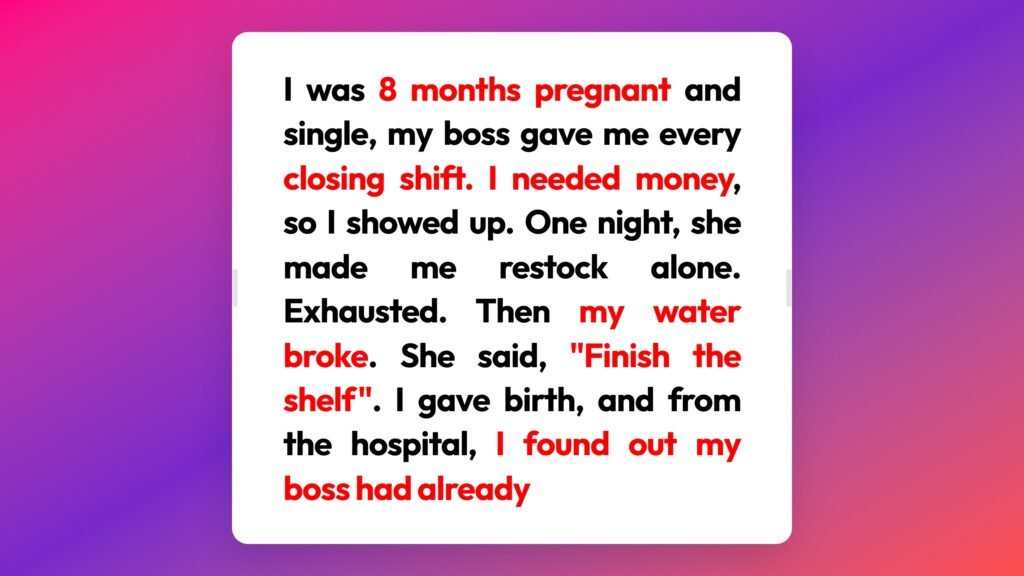
Stories of Employees : Workplace pressure is common, but dealing with a toxic boss can turn even a good job into a stressful experience. In India, where hierarchy in offices is often strong, many employees struggle to handle difficult managers without risking their careers.
This article shares 12 real-life inspired stories of employees who faced toxic bosses—and handled the situation the right way. These are not dramatic reactions, but smart, practical decisions that protected both career and mental health.
Key Highlights
- 12 real-life inspired workplace stories
- Practical strategies to deal with toxic bosses
- Lessons relevant for Indian corporate culture
- Focus on smart handling, not emotional reactions
- Step-by-step guidance for similar situations
1. Setting Clear Boundaries on Work Hours
An employee was constantly asked to work late without notice. Instead of reacting emotionally, they clearly communicated availability and stuck to it consistently.
Lesson: Boundaries must be communicated and maintained.
2. Documenting Everything
A manager frequently blamed the employee for mistakes. The employee started documenting tasks, emails, and approvals, which later protected them.
Lesson: Documentation reduces risk.
3. Avoiding Public Arguments
Instead of reacting during meetings, one employee addressed issues privately, maintaining professionalism.
Lesson: Control the setting of difficult conversations.
4. Escalating Strategically
After repeated issues, an employee approached HR with proper evidence instead of complaints.
Lesson: Escalation should be structured, not emotional.
5. Focusing Only on Work Output
One employee ignored unnecessary comments and focused strictly on deliverables, reducing conflict.
Lesson: Results can protect you.
6. Building Internal Support
An employee created strong relationships with other team members, ensuring support when needed.
Lesson: Internal network matters.
7. Choosing Battles Wisely
Instead of reacting to every issue, one employee addressed only critical problems.
Lesson: Not every situation needs confrontation.
8. Asking for Written Instructions
When receiving unclear directions, the employee requested written confirmation, reducing confusion.
Lesson: Clarity prevents manipulation.
9. Maintaining Emotional Control
Despite pressure, one employee stayed calm and avoided reactive behavior.
Lesson: Emotional discipline is key.
10. Preparing Exit Options
Instead of staying stuck, an employee started preparing for new opportunities quietly.
Lesson: Always have a backup plan.
11. Using Feedback as a Shield
An employee proactively asked for feedback and improvements, reducing negative criticism.
Lesson: Control the narrative.
12. Leaving at the Right Time
When the situation didn’t improve, one employee made a calculated exit without burning bridges.
Lesson: Sometimes leaving is the best strategy.
Impact of Handling Toxic Bosses Properly
| Approach | Immediate Effect | Long-Term Outcome |
|---|---|---|
| Emotional reaction | Conflict increases | Career risk |
| Strategic handling | Controlled situation | Career stability |
| Documentation | Protection | Stronger position |
| Exit planning | Reduced stress | Better opportunities |
Step-by-Step: How to Deal With a Toxic Boss
- Identify specific toxic behaviors
- Document all interactions
- Set clear boundaries
- Communicate professionally
- Build internal support
- Escalate only when necessary
- Prepare alternative options
Eligibility / Rules / Benefits of This Approach
- Applicable to all employees regardless of experience
- Requires discipline and consistency
- Protects career growth
- Improves mental stability
- Reduces workplace risk
Pros and Cons of Different Approaches
Pros
- Maintains professionalism
- Reduces conflict
- Builds strong reputation
- Improves long-term career options
Cons
- Requires patience
- Progress may be slow
- Not all situations improve
Common Mistakes Employees Make
- Reacting emotionally in public
- Not documenting issues
- Ignoring early warning signs
- Depending only on verbal communication
Practical Tips for Indian Professionals
- Respect hierarchy but protect your boundaries
- Use written communication (email, Slack)
- Stay professional in all interactions
- Focus on measurable results
- Keep exit options ready
FAQs
What defines a toxic boss?
A toxic boss may show behavior like constant criticism, lack of support, manipulation, or unrealistic expectations.
Should I confront my boss directly?
Yes, but do it professionally and in a controlled setting.
When should I involve HR?
When issues are repeated and documented.
Is leaving the only solution?
No, but it may be necessary if the situation doesn’t improve.
How can I protect my career?
By maintaining professionalism, documenting work, and building a strong reputation.
Can toxic bosses affect mental health?
Yes, prolonged exposure can increase stress and anxiety.
Conclusion
Dealing with a toxic boss is one of the most challenging workplace situations, especially in structured environments like those in India. However, these 12 stories show that the right approach is not emotional reaction—but strategic handling.
By staying professional, documenting everything, and making calculated decisions, employees can protect both their mental health and career growth. And sometimes, the smartest move is not to fight harder—but to move smarter.