
12 Real Stories About Everyday Kindness

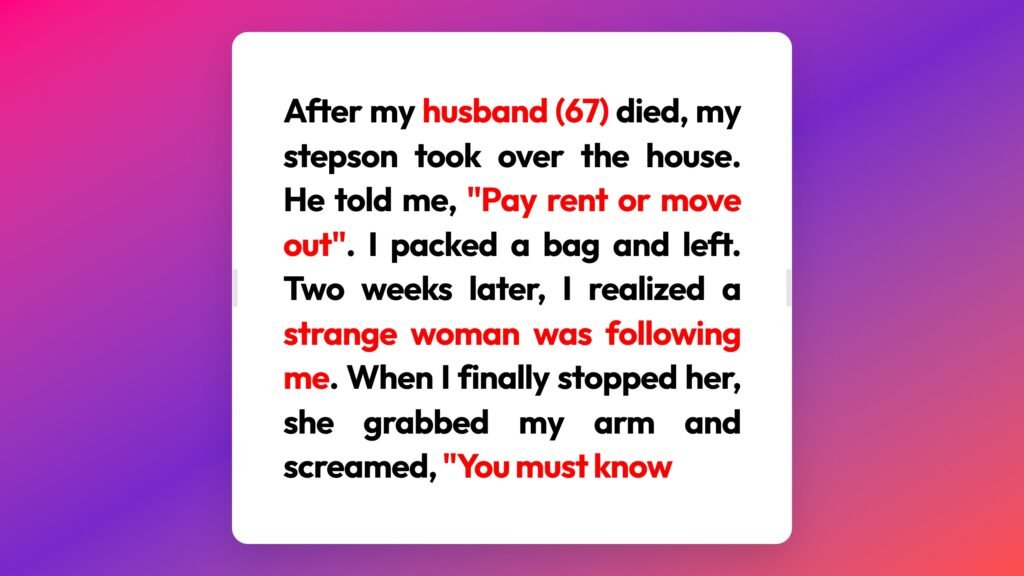
Real Stories About Everyday Kindness: In everyday life, we often judge people quickly—based on appearance, behavior, or a single moment. In India and across the world, these first impressions can be misleading. Behind every person is a story we may not see. Sometimes, a single experience can completely change how we view someone.
This article shares 12 real-life inspired stories that challenge assumptions and reveal the deeper side of human behavior. These moments are simple but powerful, showing that people are often more complex—and kinder—than they appear.
Key Highlights
- 12 real-life inspired stories that challenge first impressions
- Situations from daily life in India
- Lessons about empathy, patience, and understanding
- How assumptions can be misleading
- Practical ways to see people differently
1. The “Rude” Shopkeeper Who Was Quietly Helping Others
A customer thought a shopkeeper was rude because he barely spoke. Later, it was discovered he was providing free groceries to families in need after hours.
Lesson: Silence doesn’t mean lack of kindness.
2. The Strict Teacher Who Paid Students’ Fees
Students feared a strict teacher, only to learn later that she was paying school fees for those who couldn’t afford it.
Lesson: Discipline and compassion can exist together.
3. The Neighbor Who Kept Distance for a Reason
A neighbor avoided social interaction, leading others to assume arrogance. Later, it was revealed they were dealing with personal loss.
Lesson: People’s behavior often reflects unseen struggles.
4. The Driver Who Seemed Careless but Acted in Crisis
A driver who appeared inattentive reacted quickly during an emergency, helping passengers stay safe.
Lesson: First impressions don’t always show true capability.
5. The Quiet Colleague Who Supported Everyone
A reserved employee rarely spoke in meetings but helped team members behind the scenes with tasks and guidance.
Lesson: Contribution isn’t always visible.
6. The Street Vendor Who Helped a Lost Child
A vendor often ignored by people took responsibility for a lost child and ensured their safe return to family.
Lesson: Kindness can come from unexpected places.
7. The Student Who Shared Notes with Competitors
A top student shared study materials with classmates before exams, despite competition.
Lesson: Success doesn’t require selfishness.
8. The Security Guard Who Knew Everyone’s Needs
A guard at a residential complex remembered residents’ routines and helped them in small ways daily.
Lesson: Attention to detail reflects care.
9. The Stranger Who Helped Without Asking Questions
During a medical emergency, a stranger stepped in to help without questioning the situation.
Lesson: Action matters more than judgment.
10. The “Unfriendly” Boss Who Protected Employees
An employer who appeared strict defended employees during difficult negotiations, ensuring job security.
Lesson: Leadership can be misunderstood.
11. The Person Who Always Complained but Still Helped
Someone known for complaining was also the first to assist others in emergencies.
Lesson: People are not defined by one trait.
12. The Elderly Man Who Shared Wisdom Through Actions
An elderly man rarely spoke but consistently helped others with small acts, influencing the community.
Lesson: Actions can communicate more than words.
Impact of Changing Perceptions
| Situation | Initial Assumption | Reality |
|---|---|---|
| Quiet behavior | Disinterest | Thoughtfulness |
| Strict attitude | Harshness | Responsibility |
| Distance from others | Arrogance | Personal struggle |
| Simple appearance | Low capability | Strong values |
Step-by-Step: How to See People Differently
- Avoid quick judgments based on first impressions
- Observe behavior over time
- Ask questions instead of assuming
- Consider possible unseen challenges
- Focus on actions rather than appearances
- Practice empathy in daily interactions
Eligibility / Rules / Benefits of Understanding Others
- Anyone can practice empathy
- No resources required
- Builds stronger relationships
- Reduces conflict and misunderstanding
- Improves communication
Pros and Cons of First Impressions
Pros
- Helps make quick decisions
- Useful in certain situations
- Provides initial understanding
Cons
- Often inaccurate
- Can lead to bias
- May damage relationships
Practical Tips for Indian Readers
- Be patient in daily interactions
- Respect people from all backgrounds
- Listen before forming opinions
- Value actions over appearance
- Encourage open communication
FAQs
Why are first impressions often misleading?
Because they are based on limited information and do not reflect the full story.
How can I avoid judging people quickly?
Take time to observe and understand their behavior over multiple situations.
Is it possible to completely avoid assumptions?
No, but you can reduce them by being aware and mindful.
Why is empathy important?
It helps build stronger connections and reduces misunderstandings.
Can people change over time?
Yes, experiences and situations can shape behavior.
How can I improve my understanding of others?
Listen actively, ask questions, and stay open-minded.
Conclusion
These 12 stories show that people are often more than what they appear on the surface. In India and across the world, daily interactions are filled with hidden layers of kindness, struggle, and strength. Changing how we see others can improve relationships, reduce conflict, and create a more understanding society.
The next time you form an opinion about someone, take a moment to pause. Because sometimes, a deeper look can completely change everything you believe about a person.